Exosomes: The Next Revolution in Skin Rejuvenation?
Skin rejuvenation has always aimed to do more than simply smooth wrinkles or brighten the complexion. The real goal is to restore the skin’s natural ability to heal, regenerate, and stay youthful over time. In recent years, one treatment has generated exceptional interest in dermatology and regenerative medicine: exosomes. Often described as the future of skin therapy, exosomes offer a deeper, more intelligent way of renewing the skin by supporting communication between cells. But what exactly are they, and are they truly a breakthrough — or just another trend? Let’s explore the science behind exosomes and what makes them one of the most promising rejuvenation tools today.
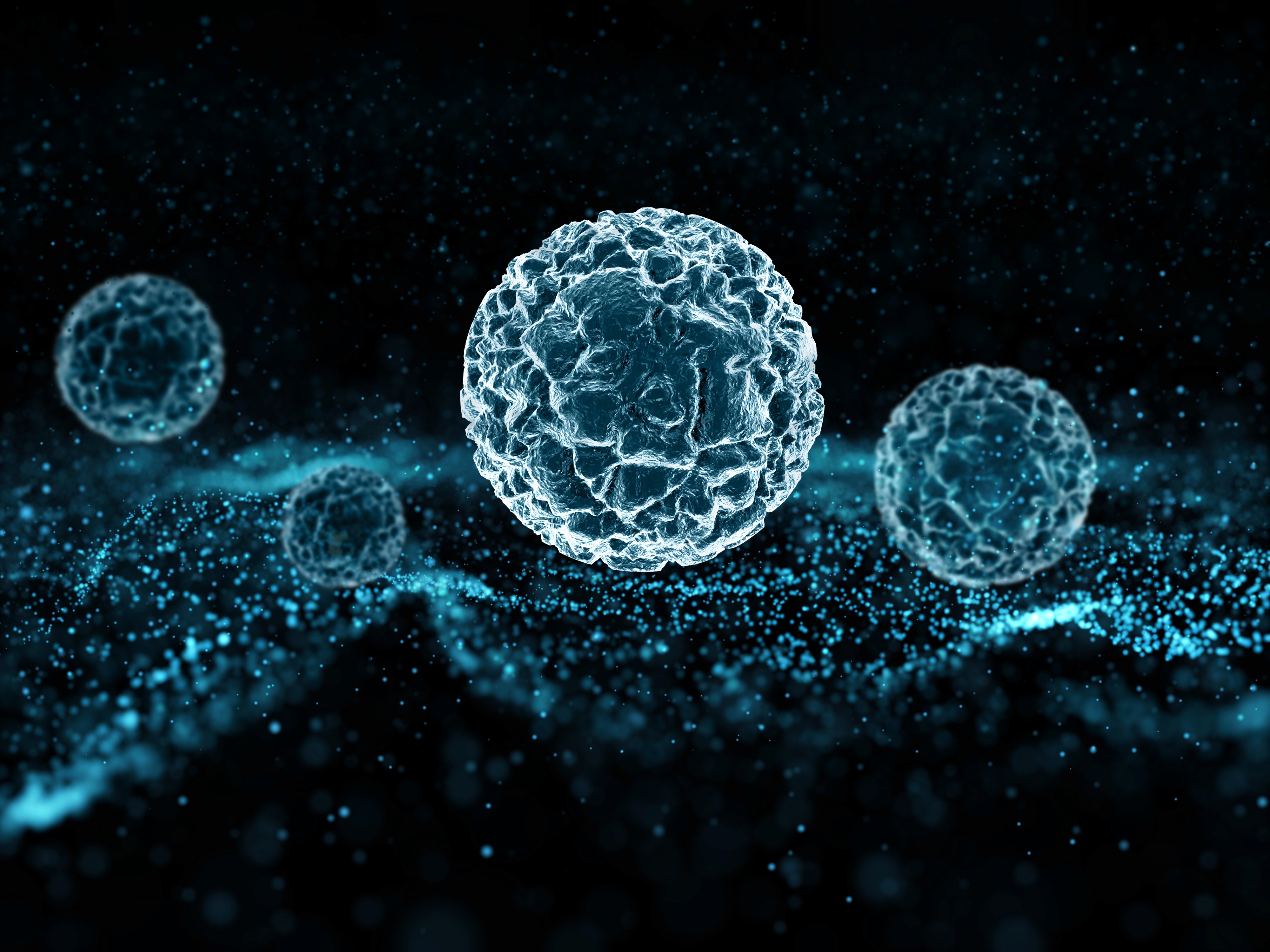
Exosomes are tiny, naturally occurring particles released by healthy cells. Their main job is to send signals from one cell to another, helping tissues repair themselves, reduce inflammation, and maintain balance. Think of them as messengers that guide the skin on how to behave: how to heal, how to produce collagen, and how to respond to damage. Unlike traditional skincare ingredients that simply sit on the surface, exosomes work at a cellular level, influencing how the skin regenerates from within.
One of the reasons exosomes have become so popular is their ability to enhance results after procedures. When used after microneedling, laser treatments, or chemical peels, exosomes accelerate healing and reduce redness, giving the skin a smoother and more radiant outcome much faster than before. Many patients notice improved hydration, better texture, and a visible glow within days. This makes exosomes an ideal pairing with treatments that create controlled injury in the skin.
Beyond enhancing healing, exosomes also promote long-term rejuvenation. They stimulate fibroblasts — the skin cells responsible for producing collagen and elastin — which helps improve firmness and elasticity over time. Patients dealing with dullness, fine lines, rough texture, or early aging signs often see these concerns soften gradually. exosomes work gently and steadily, strengthening the skin’s foundation with each treatment.
Another unique advantage of exosomes is their effect on inflammation. Many skin conditions, including pigmentation, sensitivity, and redness, can be linked to inflammatory processes. Exosomes help calm these signals, making them suitable not only for aging skin but also for patients who struggle with irritation or poor skin recovery. By supporting balance in the skin, they help create a more even complexion and healthier skin barrier.
While exosomes show incredible potential, it is important to understand that not all products on the market are equal. Exosomes must be ethically sourced, properly purified, and supported by research to ensure safety and effectiveness. High-quality formulations are usually derived from stem cells or fibroblasts and undergo strict testing to ensure purity. This is an area where expertise matters — the quality of the exosome product can make a significant difference in results.
It’s also worth noting that exosomes are not a replacement for fillers, lasers, or other structural treatments. Instead, they complement them. Exosomes offer a biological boost, improving the skin’s texture, hydration, and resilience, while other aesthetic procedures address volume, contour, or pigmentation. Together, they create a more complete and natural-looking rejuvenation strategy.
Despite being relatively new, early research and clinical experience suggest that exosomes may be one of the most impactful regenerative treatments available today. Their ability to communicate directly with skin cells gives them an advantage that most topical products cannot match. As more studies emerge, it’s becoming clear that exosomes occupy a unique space between science and skincare — offering both immediate improvement and long-term rejuvenation.
In conclusion, exosomes represent a promising shift toward smarter, deeper skin treatments. They support healing, enhance collagen production, reduce inflammation, and improve overall skin quality. Their results are subtle yet powerful, making them ideal for patients who want natural rejuvenation without altering their features. While more long-term research will continue to evolve our understanding, exosomes already stand out as one of the most exciting advances in modern dermatology — a true step forward in helping the skin heal and renew itself from within.